


【Nest/Pocket】あわくらみらいアカデミー/やってみんWonder 春の野草を摘んで食べてみよう!「とことこ道草クッキング」〈実施報告〉
2026.06.12
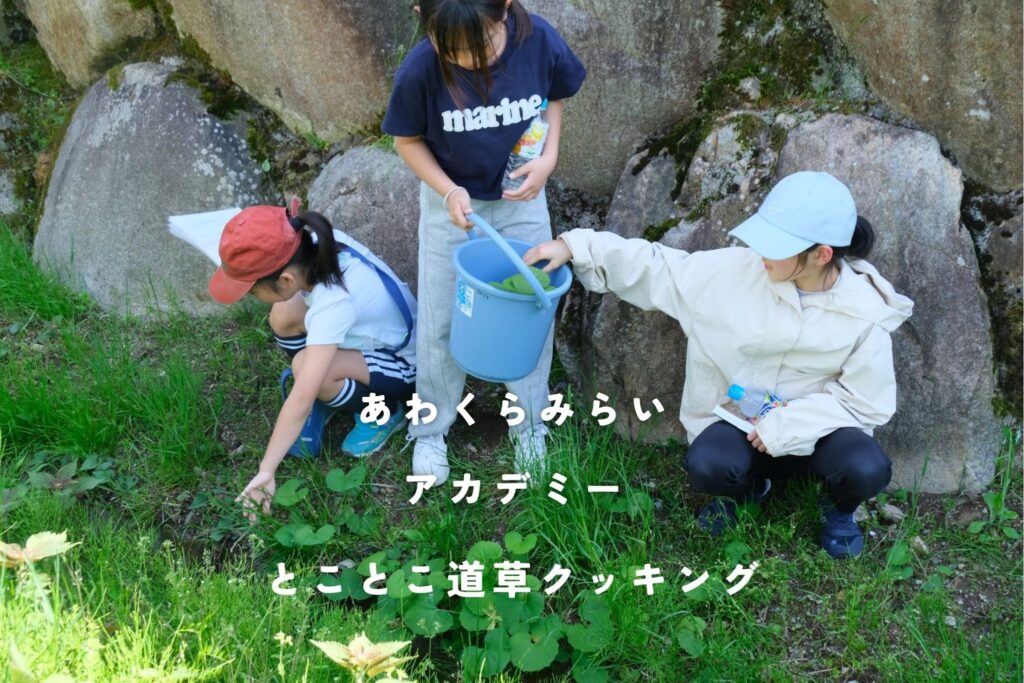
今回のあわくらみらいアカデミーは野草に注目。昨年度の総合学習で食べられる野草について学んでいた小学校5年生に「野草の先生」を依頼し、準備を進めてきました。
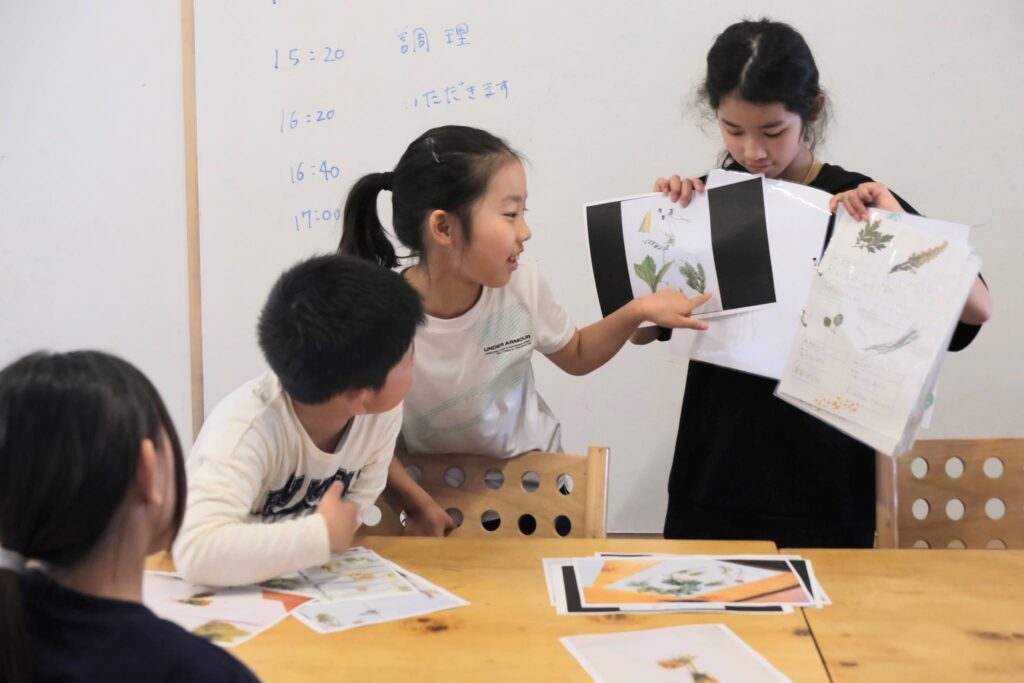
準備日に集まってくれた野草の先生とまずはリハーサル。4年生の時に作った「植物図鑑」を見ながら、野草探しを行い、何処にどんな植物があるのか確かめていきます。見つけた野草は持ち帰り、天ぷら作りにも挑戦。授業では野草を食べてみることまではできなかった子どもたち。野草の天ぷらを食べて、「意外とおいしい!」と野草の味も確かめることができました。
そして迎えた当日、最初に”先生”から野草の紹介です。「ヨモギは裏側が白いのが特徴です」と自分たちが調べた内容を図鑑を見せながら紹介してくれました。他の参加者も植物の種類や見分け方に静かに耳を傾けていました。
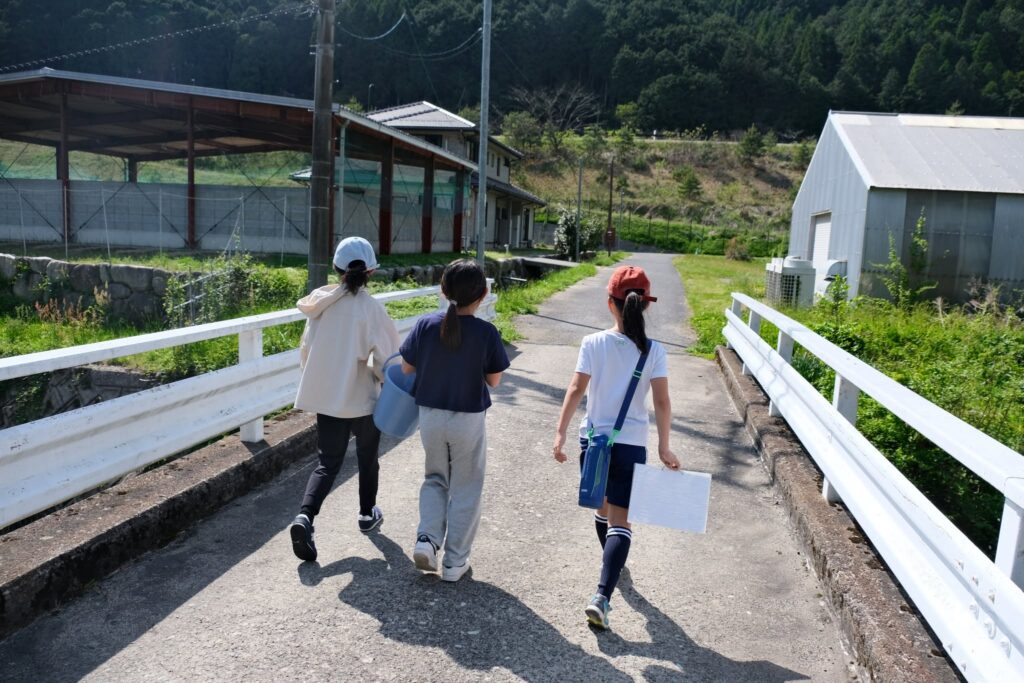
どんな植物があるのかを教えてもらった後は、2つのグループに分かれて実際に野草を見つけに出かけます。
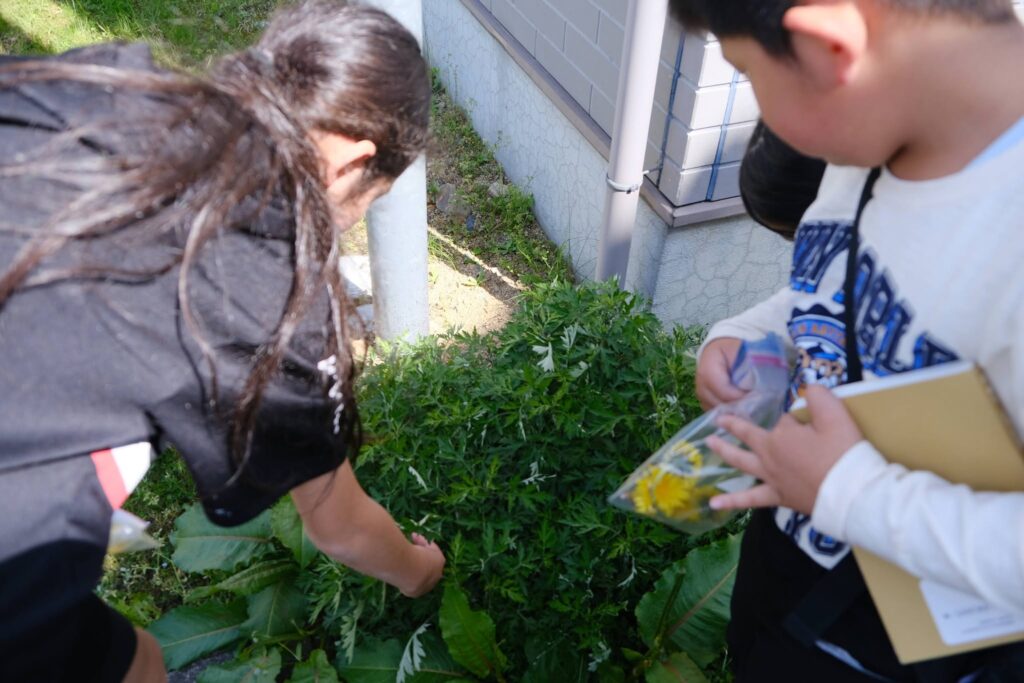
「この花の蜜おいしいよ!」「クローバーって踏んだら四つ葉が増えるんだ~!」とそれぞれが知っている野草の情報を教え合う場面も。実際に蜜を吸ってみたり、四つ葉のクローバーを探したりと普段はあまり注目しない野草に注目しながら歩みを進めます。
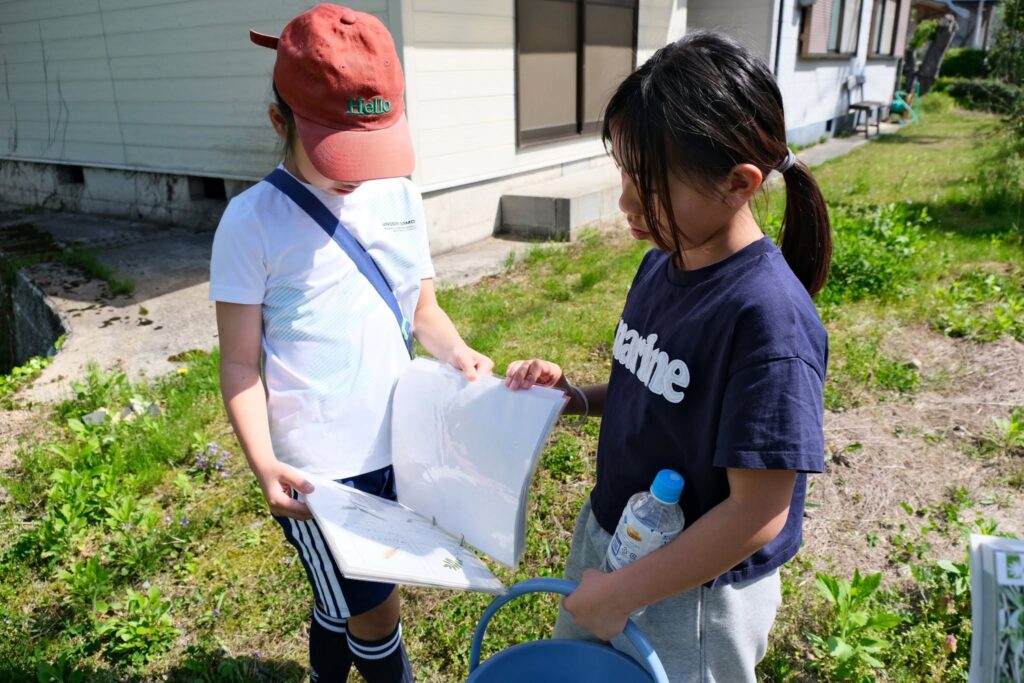
自分の図鑑も持ってきてくれた参加者もおり、「カラスノエンドウはおいしいよ!」「あれはフキじゃないかな?」と、まるで宝探しのように様々な野草を見つけることができました。
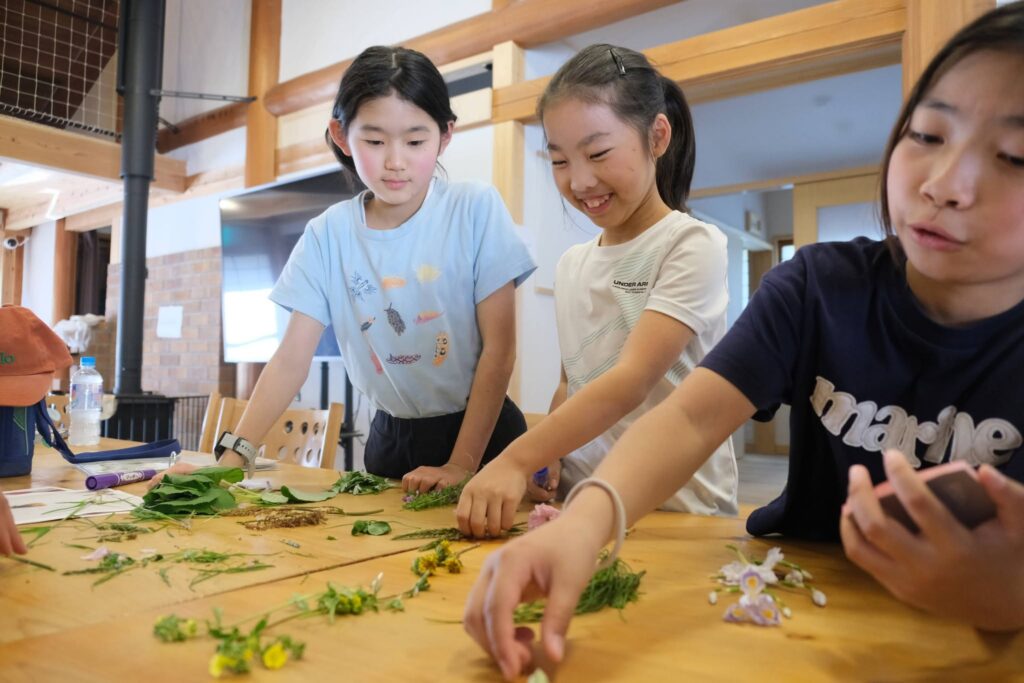
戻った後は、各グループが見つけた野草を種類ごとに分けて、他のチームに共有します。
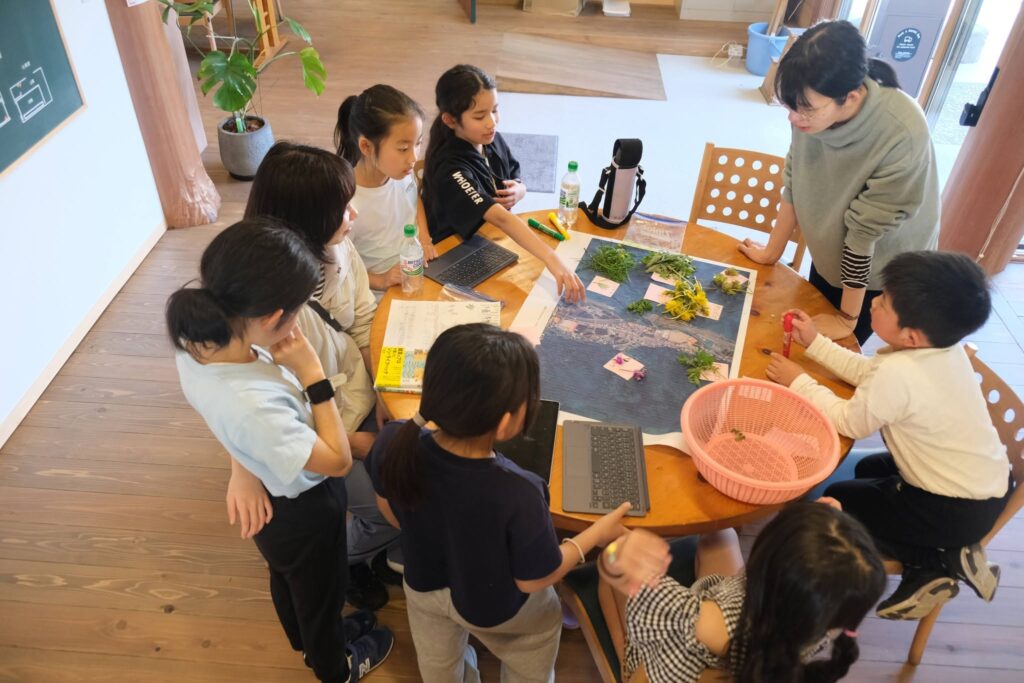
「これはナデシコで駐車場あたりにありました」「そんな花あったんだ!」とお互いに新たな発見がありました。
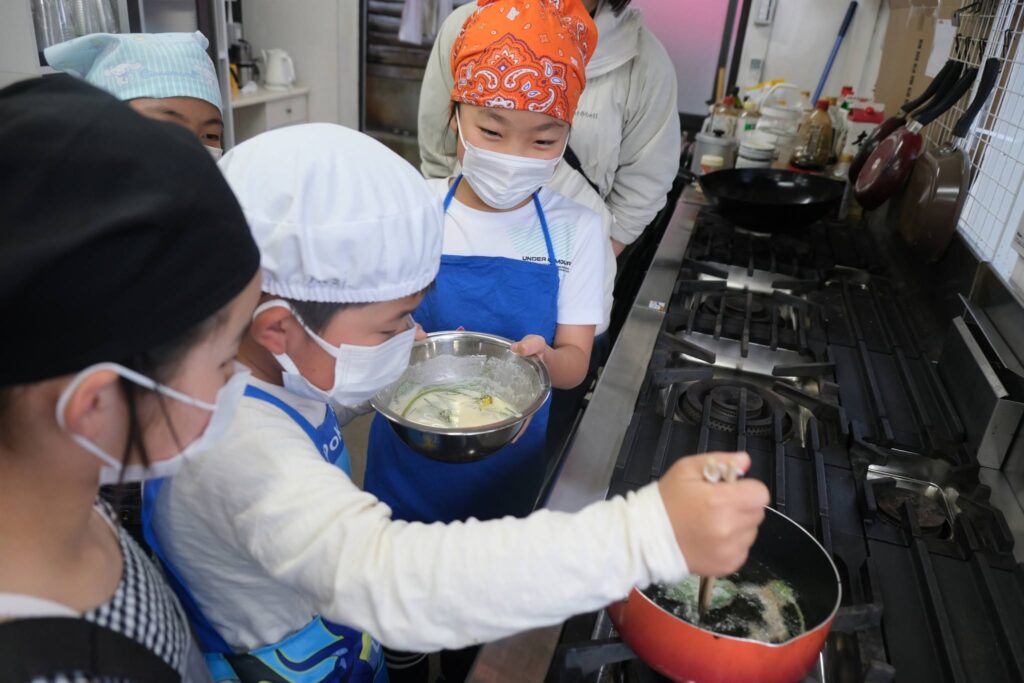
そしていよいよ調理タイム。まずはみんなで天ぷらを作ります。野草の先生から材料の分量を教えてもらったり、「前作ったときに一機にいれたら大きな固まりになっちゃったから少しずつ油に入れたほうがいいかも。」と試作の際の経験も活かしてくれていました。
天ぷらを初めて作るという参加者も恐るおそる鍋に野草を入れて調理に挑戦したり、フキを見つけた女の子は「おひたしにしたい!」とおひたし作りに挑戦する子も。
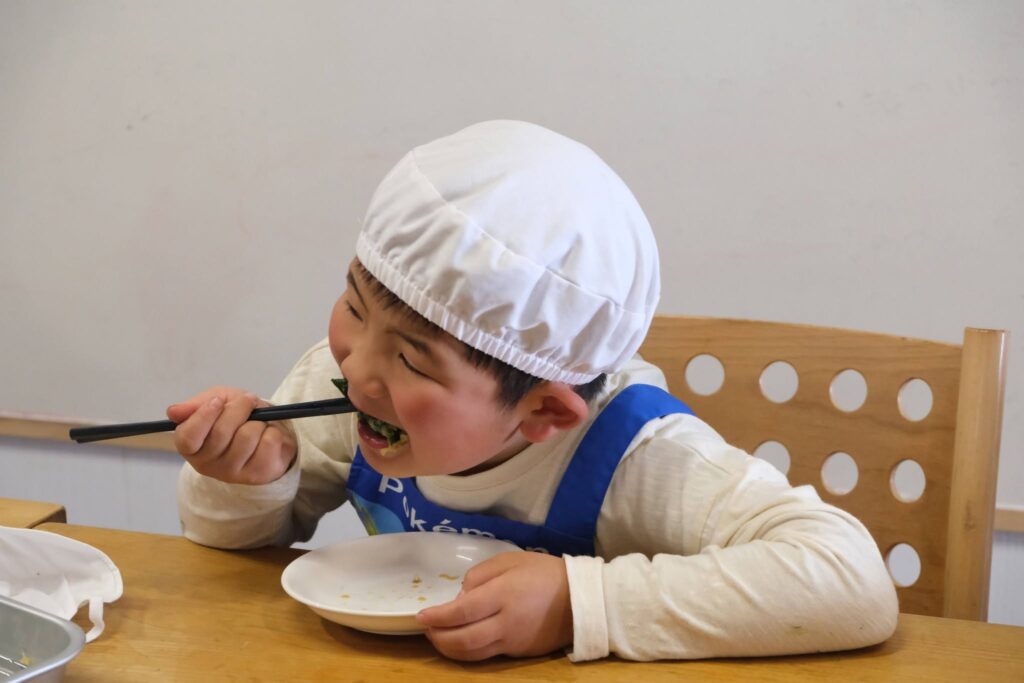
出来上がったらいよいよ試食です。最初は「雑草なんか食べれるん~?」と言っていた子も1口食べて「おいしい!」と笑顔が広がっていました。
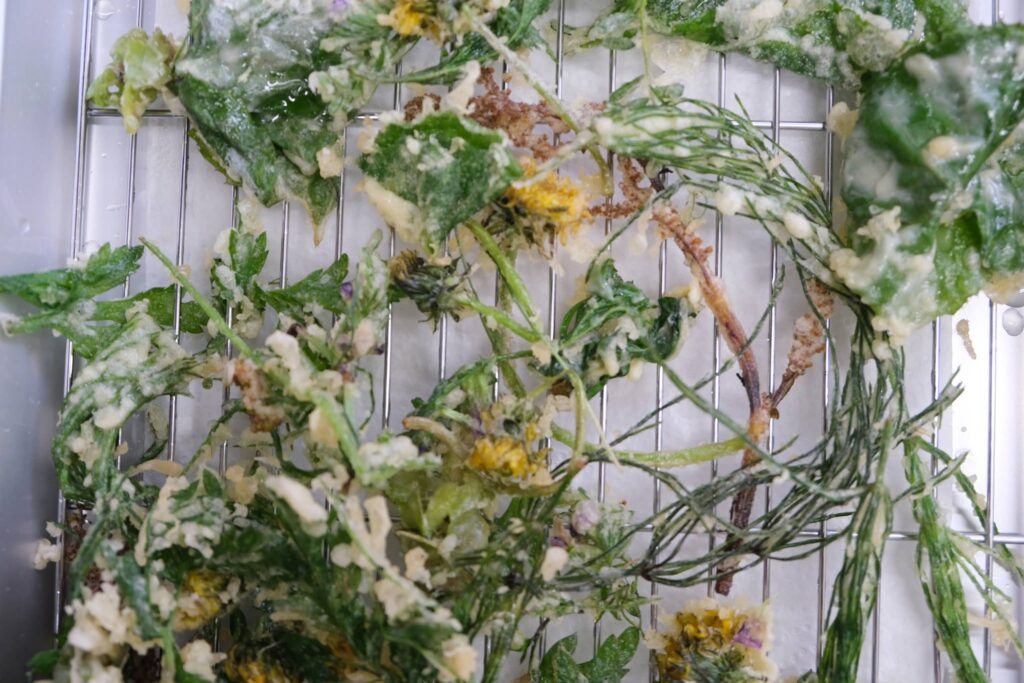
普段も目にする植物ですが、その植物を見る目が変わり、食べたことがない植物の世界にみんなで触れることができました。また、5年生にとっては学んだことを発信し、より学びを深める機会になりました。
[Forage and Feast on Spring Wild Plants! “Tokotoko Michikusa Cooking”]
This session of the Awakura Mirai Academy turned its spotlight toward wild plants. The planning began by inviting the 5th graders—who had studied edible wild plants in their integrated learning classes the previous year—to serve as the official “Wild Plant Experts.”
Preparation kicked off with a dress rehearsal alongside our student experts. Flipping through the “Plant Encyclopedia” they had created back in the 4th grade, the team scouted the area to map out exactly what kinds of plants grew where. They even brought back their finds to try making wild plant tempura. Since they hadn’t been able to actually taste the plants during their regular school lessons, trying the crispy tempura was a revelation, prompting smiles and comments like, “Hey, this is surprisingly delicious!”
On the big day, the student experts opened the event with an introduction to the local flora. Showing pages from their encyclopedia, they explained their findings, noting, “One key characteristic of mugwort (yomogi) is that the underside of the leaf is white.” The other participants listened intently, fascinated by the different species and how to spot them.
Armed with this new knowledge, the participants split into two groups and set off on a real-world foraging hunt.
As they walked, they naturally began swapping plant facts: “The nectar from this flower tastes amazing!” or “Did you know that clover grows more four-leaf stems if people step on it?” Sucking on sweet flower nectar and scouring the ground for lucky four-leaf clovers, the children moved forward with their eyes wide open to a world of greenery they usually walked right past.
Some participants even brought along their own reference books, shouting out like treasure hunters as they discovered various plants: “Vetch (karasunoendo) is delicious!” or “Hey, isn’t that Japanese butterbur (fuki) over there?”
Upon returning, each group sorted their harvested plants by species to share their findings with the other team.
“We found this fringed pink (nadeshiko) near the parking lot,” one group reported, prompting a surprised response from the other: “Wow, I didn’t even notice that flower was there!” It was a wonderful moment of mutual discovery.
Finally, it was cooking time! First, everyone teamed up to make the tempura. The 5th-grade experts guided the others on ingredient portions and shared wisdom from their trial run: “When we made it before, putting too much in at once caused it to turn into one giant clump. It’s better to drop them into the oil little by little.”
Even those who had never made tempura before bravely took on the challenge, carefully lowering the plants into the hot pot. Meanwhile, a girl who had found some butterbur eagerly decided, “I want to make ohitashi (blanched greens)!” and successfully tried her hand at the recipe.
When the food was ready, it was time for the long-awaited taste test. One student, who had initially doubted the project by asking, “Can we really eat weeds?”, took a single bite and broke into a massive grin, exclaiming, “This is so good!”
Through this experience, the plants the children see every single day took on a whole new meaning, allowing everyone to step into the untried world of edible nature. For the 5th graders, it was a fantastic opportunity to share what they had learned and deepen their own understanding by teaching others.