


【西粟倉中学校】2年生総合あわくらみらい学 中学生が挑む、西粟倉の価値創造と発信〈実施報告〉※R7年度記事
2026.06.19
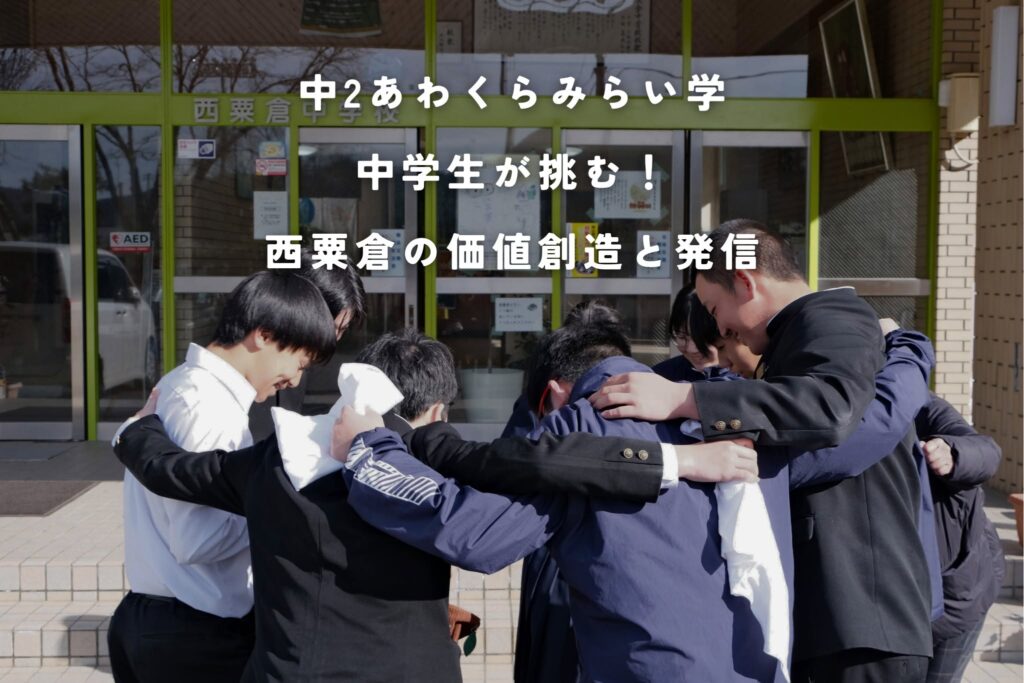
西粟倉中学校2年生の総合的な学習の時間、通称「あわくらみらい学」では、生徒たちが「いちごタルト班」「Tシャツ班」「チラシ・広報班」の3つのチームに分かれ、村の魅力を再発見し、発信する活動を企画しました。
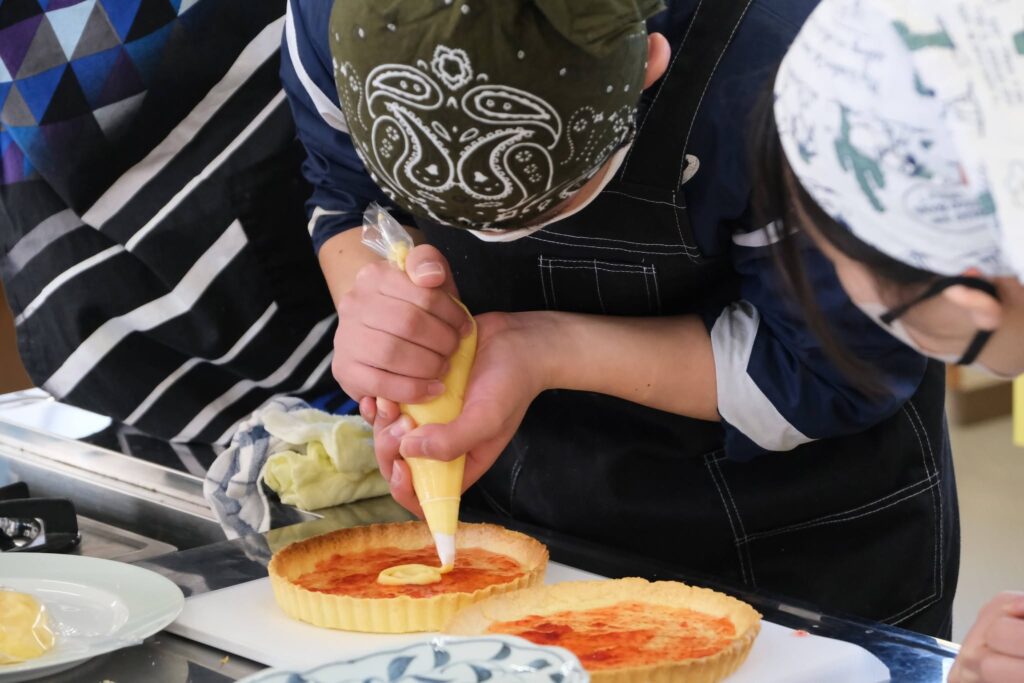
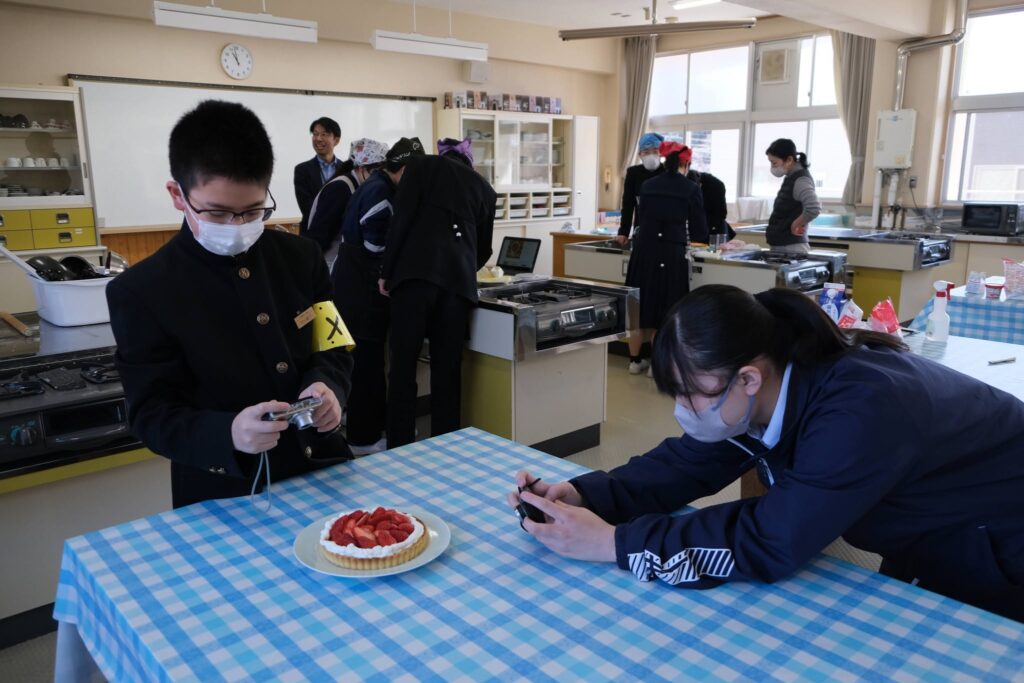
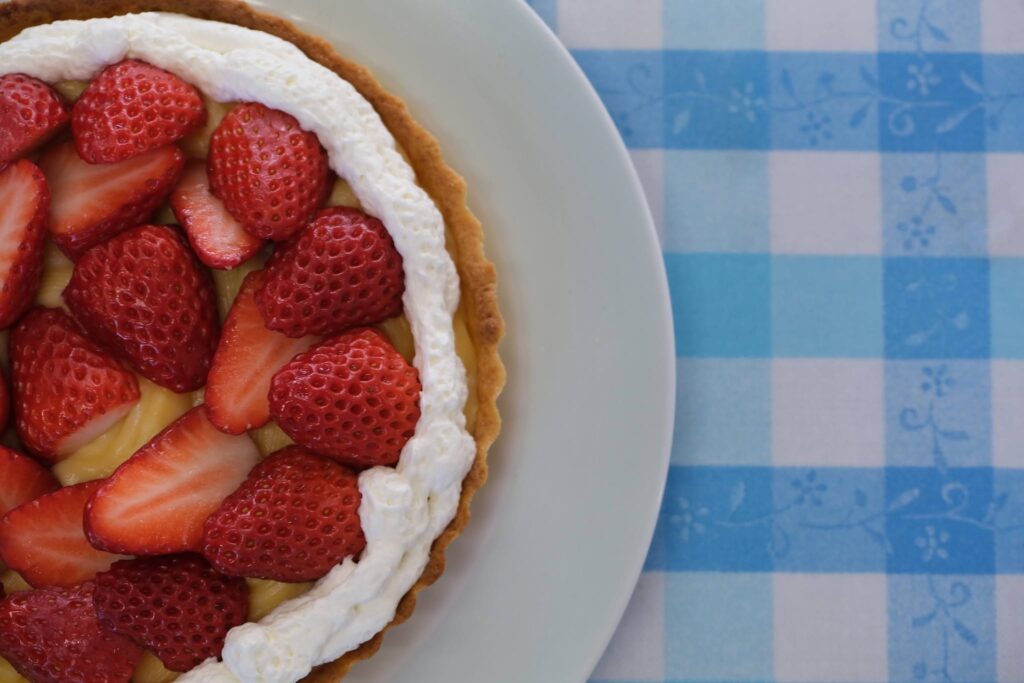
いちごタルト班は、前日に自分たちで買いにいったBASE101%の新鮮ないちごを使用。いかに「食べたい!」と思わせる一皿にするか、試行錯誤を重ねました。
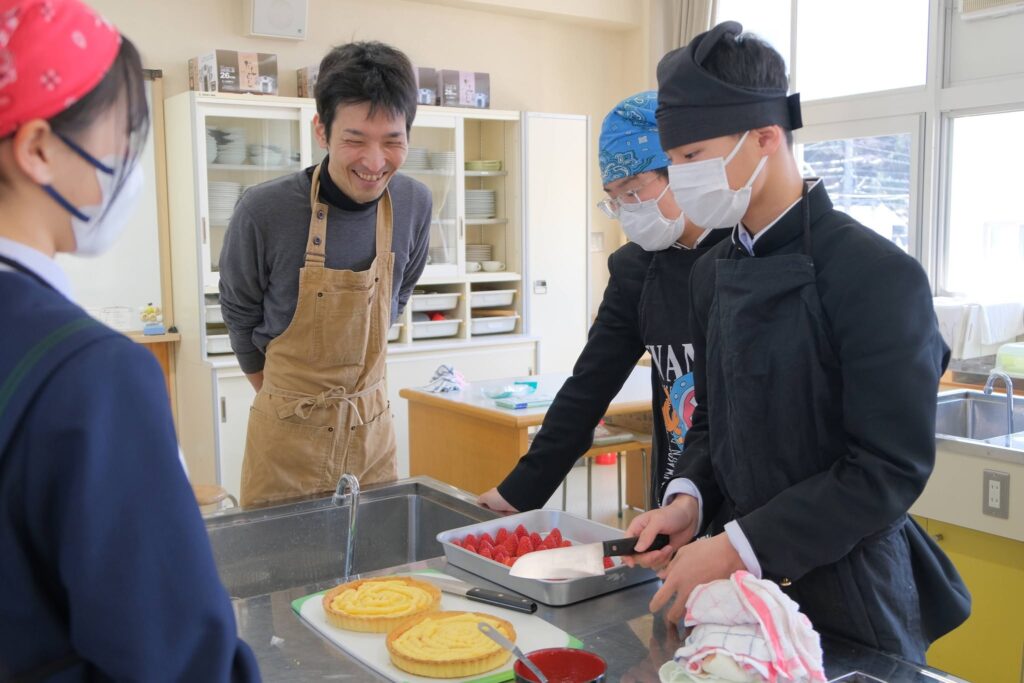
授業では、BASE101%の料理長である佐々木晋さんが駆けつけ、「見た目も大事。例えば、緑のものを添えるときれいに見えるよ!」といった具体的な盛り付けのアドバイスや、「盛り付けはまずは参考画像や図を真似ることから始めてみて、そこから自分のこうしたらいいんじゃないかな?みたいな感覚を考えることを大事にしたらいいと思う」と、創造性を高めるための助言もいただきました。
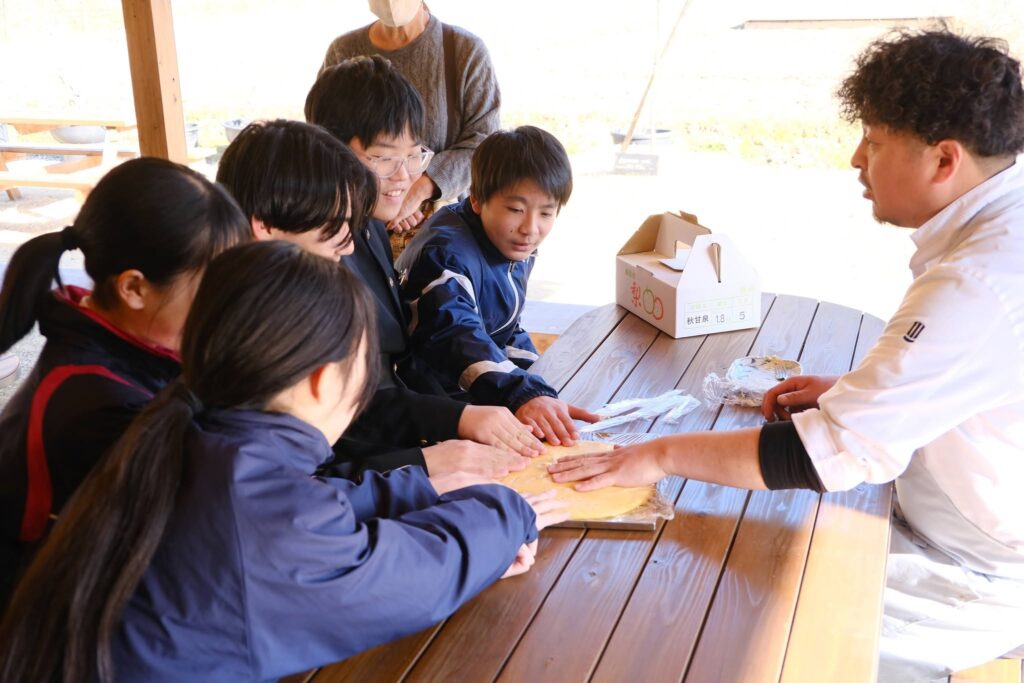
さらに放課後、生徒たちは小林菓子店の小林祐太さんを訪問。実際にお店で使われている調味料や器具を見せていただきました。タルトを試食していただいた後には「こだわったところが説明できるということが、西粟倉の魅力をアピールするポイントになる」「色んなものをたくさん食べて、自分の“味の引出し”を増やしておく。そうすると、自分でも色々試せるし、新しいアイデアにも繋がってくる」という、プロの視点を教えていただきました。生徒たちも実際に試食してみて、「美味しい!」と自信を得たのと同時に、「カスタードの量が少し多いかも…?」「これで原価100円だとして、3時間かけて作ったから、実際に売るとしたらいくらだろう…?」と、単なる体験に留まらず、販売や経営といった視点も養われました。
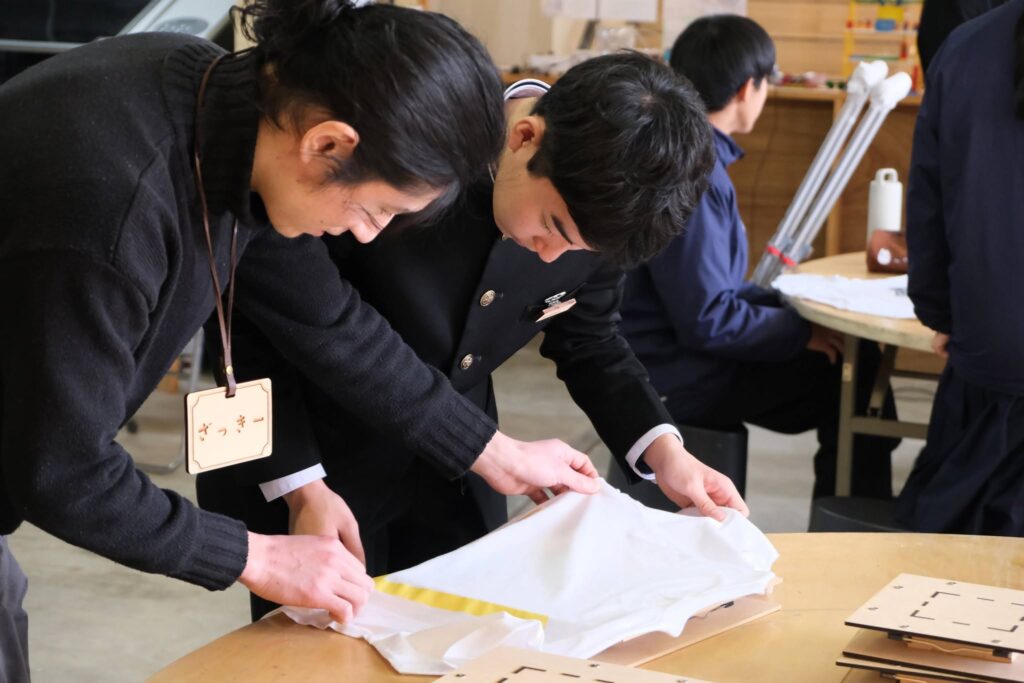
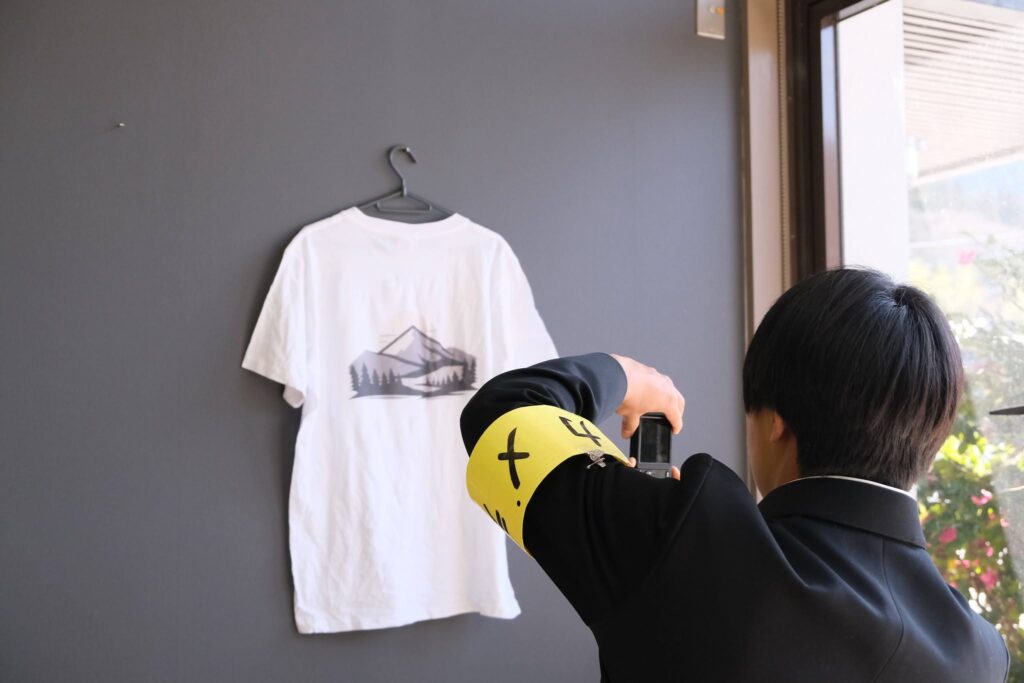
一方、Tシャツ班は、むlabo(西粟倉むらまるごと研究所)の山崎誠人さんからレクチャーを受け、最新のUVプリンターを活用しました。あらかじめ考えてきた西粟倉の自然をイメージしたロゴの配置やサイズ、位置の微調整に四苦八苦。デザインのわずかなサイズの違いで印象が変わる難しさを痛感しつつも、自分たちの想いが形になっていく過程に大きな関心を寄せていました。
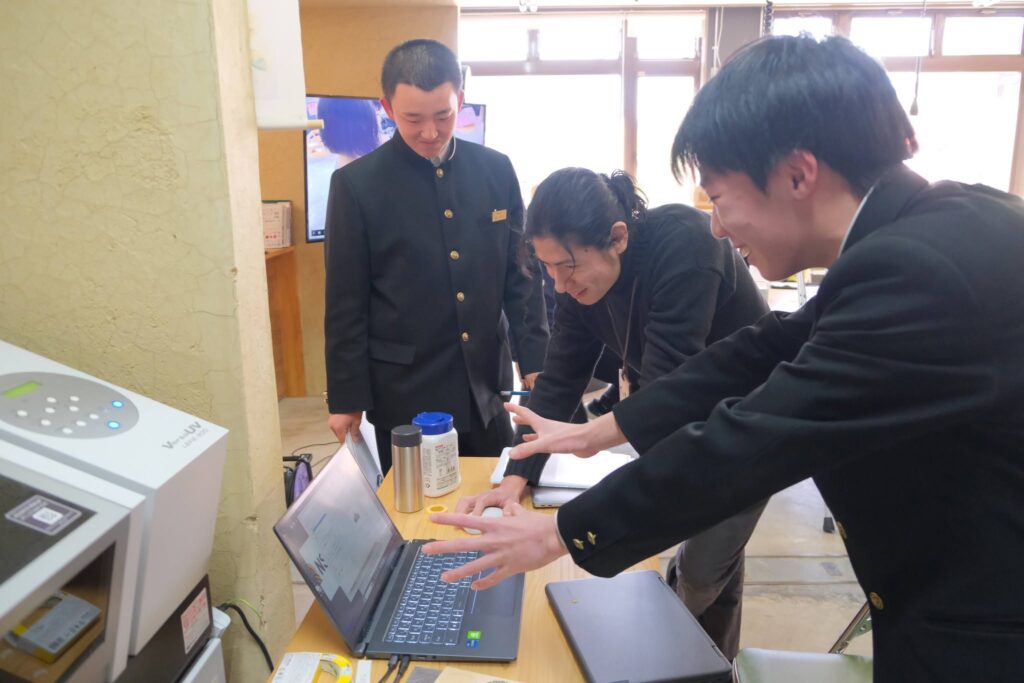
印刷を待つ間には、山崎さんから3Dプリンターなどの機材や制作事例も見せていただき、生徒たちは「ずっと見てられる…!」「もっとやっていたい!」と、むlaboでの体験を楽しんでいる様子でした。

生徒たちの振り返りからは、「計画通りにいかない難しさを知った」「地域の人と協力して村を発信したい」「もっと自分たちが“美味しい”と言えるものを作りたい」といった、手ごたえと新たな課題が綴られていました。
地域の大人の知恵や技術を借り、温かい助言を受けながら、失敗や試行錯誤を繰り返して一歩ずつ「自分たちができること」を広げていった2年生。今回の経験は、彼らの自信と確かな指針になったはずです。
ご協力いただいた佐々木さん、小林さん、山崎さん、本当にありがとうございました!
[7th Grade Awakura Mirai-gaku: Junior High Students Take on the Challenge of Creating and Promoting Nishiawakura’s Value]
In their integrated learning period, known as “Awakura Mirai-gaku,” the 8th graders at Nishiawakura Junior High School split into three dedicated teams—the Strawberry Tart Team, the T-Shirt Team, and the Flyer & PR Team—to design projects aimed at rediscovering and promoting the unique charm of their village.
The Strawberry Tart Team used fresh strawberries they had personally purchased the previous day from BASE 101%. The students went through a process of trial and error, focusing on how to present a dish that would instantly make people think, “I want to eat that!” During class, Shin Sasaki, the head chef at BASE 101%, rushed over to offer practical plating advice, noting, “Visual presentation is key. For instance, adding a touch of green makes it look beautiful.” He also shared insights on fostering creativity, advising them: “When it comes to plating, start by mimicking reference images or diagrams. From there, it’s important to value your own intuition about what adjustments might make it even better.”
Furthermore, after school, the students visited Yuta Kobayashi at Kobayashi Kashi-ten (Kobayashi Cake Shop), where they were shown the actual ingredients and utensils used in the bakery. After having Mr. Kobayashi taste-test their tart, he offered a professional perspective: “Being able to explain what you cared about most in your creation is exactly what helps you promote Nishiawakura’s charm,” and “Eat many different things to expand your own ‘taste library.’ That way, you can experiment more and it will lead to new ideas.” Tasting the tart themselves gave the students a boost of confidence, as they concluded it was “delicious!” At the same time, it sparked a deeper curiosity. They began questioning, “Maybe the amount of custard is a bit too much…?” and “If the ingredient cost is 100 yen, but it took us three hours to make, how much should we actually sell it for?” This showed they were shifting from a simple hands-on experience to developing real-world perspectives on sales and business management.
Meanwhile, the T-Shirt Team received a lecture from Makoto Yamazaki at mu-labo (the Village-Wide Research Institute) and utilized a cutting-edge UV printer. They grappled with fine-tuning the placement, size, and positioning of the logos they had pre-designed based on Nishiawakura’s nature. While they keenly felt the difficulty of design—where a tiny difference in size can completely change the impression—they remained deeply fascinated by the process of watching their ideas take physical form. While waiting for the printing to finish, Mr. Yamazaki showed them 3D printers and other equipment alongside previous production examples. The students fully immersed themselves in the mu-labo experience, with comments like, “I could watch this forever!” and “I want to keep doing this!”
In their post-activity reflections, the students noted both their achievements and new challenges, writing comments such as, “I learned how hard it is when things don’t go according to plan,” “I want to collaborate with local residents to promote the village,” and “I want to make something that we can call even more ‘delicious’.”
By borrowing the wisdom and skills of local adults and receiving their warm encouragement, the 7th graders expanded what they are capable of, one step at a time through repeated trials and mistakes. This experience has undoubtedly given them new confidence and a clear compass for the future.
A heartfelt thank you to Mr. Sasaki, Mr. Kobayashi, and Mr. Yamazaki for your wonderful support and cooperation!