


【Nest/Pocket】あわくらみらいアカデミー「みんなで環境を良くしたい!」環境シンポジウム企画に挑戦中〈イベント告知〉
2026.07.12
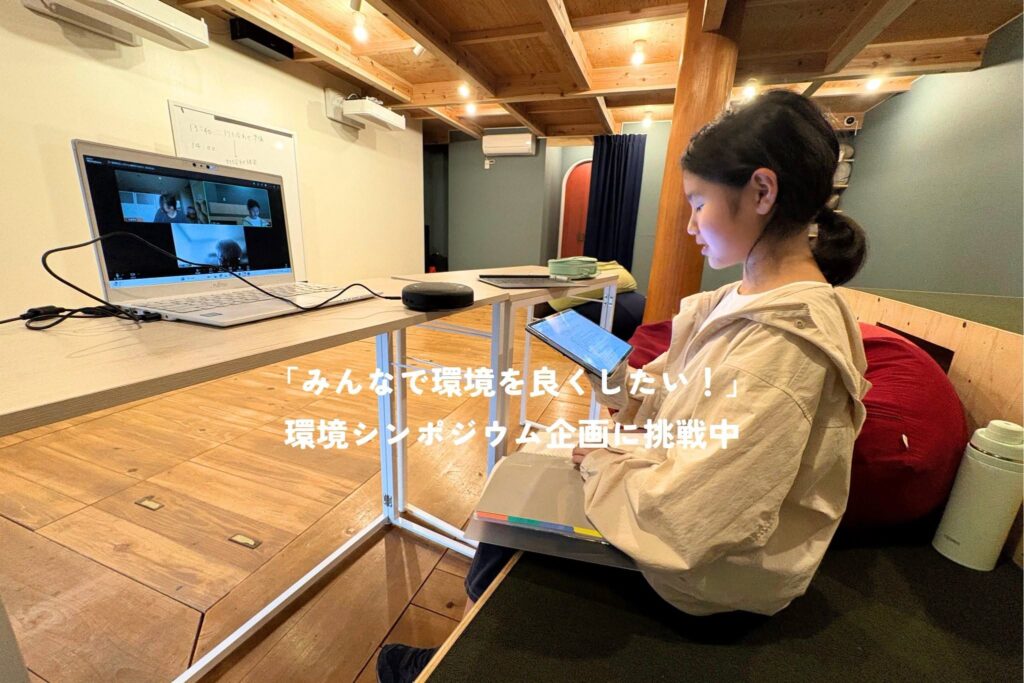
環境問題や海の生き物に関心がある中学生の女の子。昨年の末から「環境保全についてのシンポジウムを企画したい!」ということで少しづつ準備を進めてくれていました。
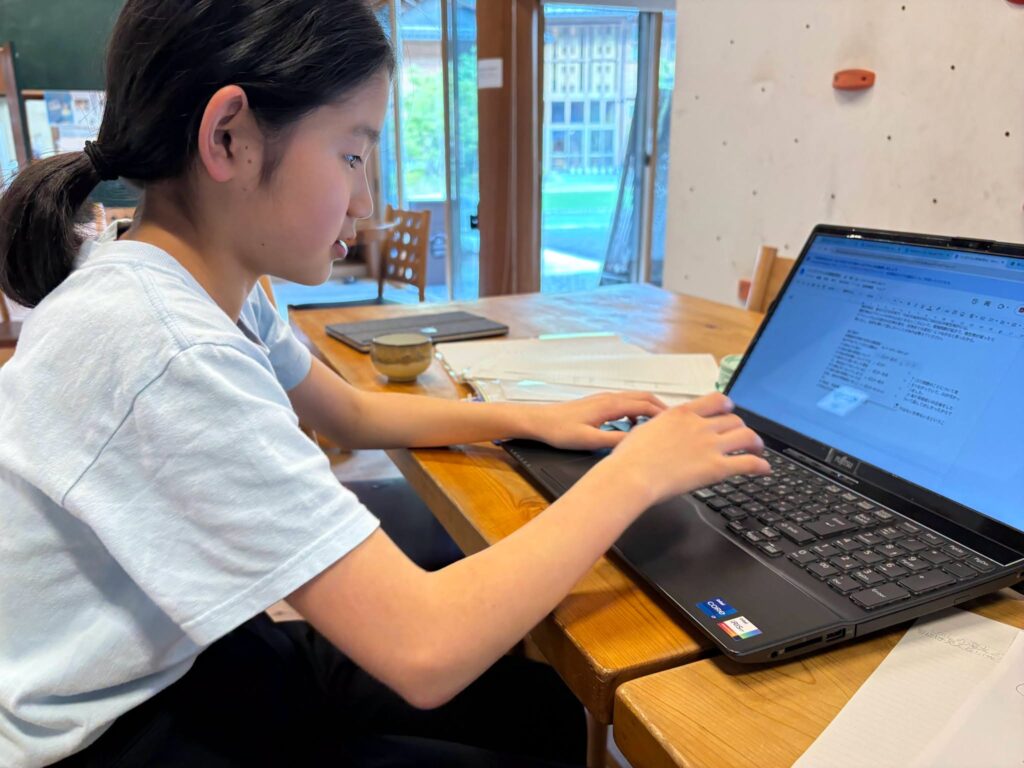
シンポジウムでは大学の先生も呼んでお話ししてもらいたいということで、メールを送り登壇依頼をしていた女の子。返信文には「生物とは何だとお考えですか?人工物とは何なのでしょう?」と先生からの問いが。先生からの問いに「生物とは生きているものすべてをさすと思うので、微生物も生き物に入ると思う」「人工物と自然物の間の物もありそう・・・!」と自分の考えを深めていきました。
6月にはオンラインでの打ち合わせを実施。
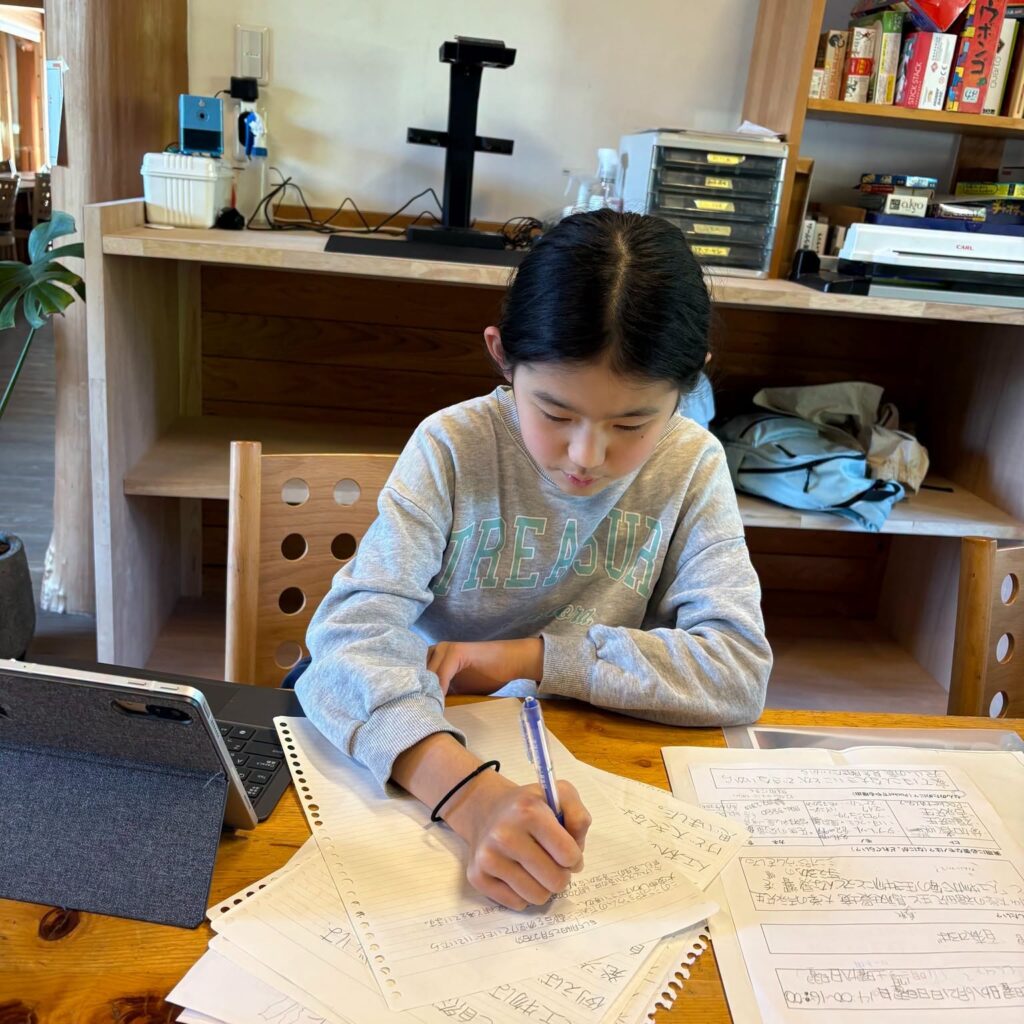
打ち合わせの内容を考えていると、この先生は何がご専門でどんな内容を当日話してもらうのが良いかなど先生についても調べながら当日のイメージを膨らましていかなくてはなりません。「この先生は海に詳しかったはず!・・具体的にはどんな事を研究している人?」「この先生は海の研究をしたり微生物の事を知っているみたい!・・そもそも微生物ってどんな生き物なんだろう?」とどんどん問いが生まれす。一つ一つ自分の中で整理したり、調べたりしながらシンポジウムのイメージと打ち合わせで相談する内容を整理していきました。
そして打ち合わせ当日。打ち合わせの直前まで、話す内容を整理し、緊張している様子の女の子。画面が繋がり、まずは挨拶をして自己紹介です。これまで、ゴミ拾いイベントや外来種についての展示を行ったことなどをお話ししました。
「ゴミ問題などの環境変化によって特定の種が減ったり、増えたりすることによって生態系が崩れていると思います」とお伝えすると「ゴミって何を指すと思いますか?みかんの皮をゴミ箱に入れる人もいれば自然の物だからとポイ捨てをする人もいるでしょう。ゴミととらえるものもそれぞれ違うと思うのでそれをみんなで考えてみてもいいかもしれませんね」と当日に向けてのアドバイスも頂きました。
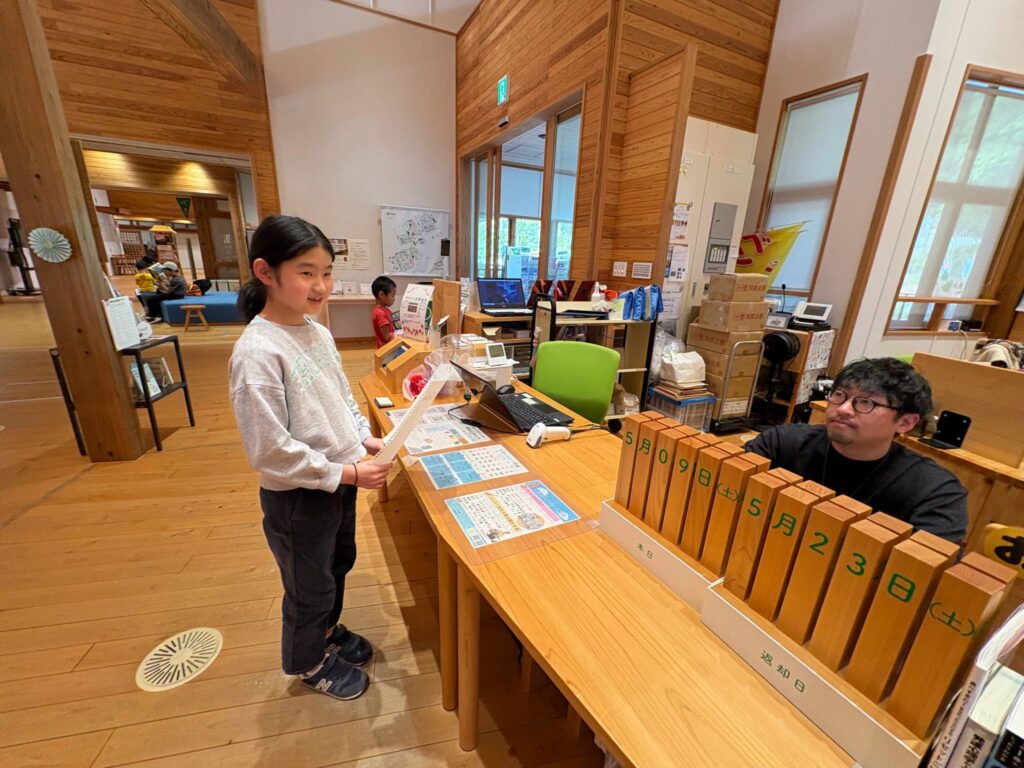
当日の流れについての打ち合わせを終えた後、「もし微生物に興味を持ってくれたのであればこんな本も面白いですよ」と本をご紹介いただき、「図書館にあるか見てみます」と微生物の本がとっても気になっている様子でした。
オンラインのやり取りを終え、お話しいただきたい内容を快く引き受けて下さったことに安堵の表情。
ただ、他のスタッフに「ここの部分は何といわれていたの?」と聞かれると、「えっと・・・」と、どうやら話すことに必死でメモしきれず思い出せない部分もあったようです。
もう一度一緒に打ち合わせに入っていたスタッフと内容を確認しながら「あぁ!そうだった!」と思いだすことができました。振り返りでは「メモをしっかり取れると思いだすのも早くなるので今度はそうしたい」と話してくれた女の子。
将来は研究者の道も検討しているよう。今回の教授との打ち合わせが大きな1歩になればと思います。
女の子が企画しているイベント概要は以下の通りです!
是非お越しください!
ーーー
日程:7月25日(土)10:00~12:00
場所:あわくら会館百森ひろば
登壇者:鳥取環境大学 吉永郁生先生
企画・登壇者:西粟倉中学校 渡部紗智
企画者からのメッセージ:
環境を守るために私たちにできることを。より美しい自然環境を未来へと繋げましょう。あなたの参加をお待ちしています!
ーーー
[“I Want to Make Our Environment Better!” An Inspiring Junior High Student’s Challenge to Organize an Environmental Symposium]
An inspiring junior high school girl with a deep interest in environmental issues and marine life has been hard at work. Since late last year, she has been step-by-step preparing for a big goal: “I want to organize a symposium on environmental conservation!”
Determined to invite a university professor to speak at the symposium, she drafted and sent an email requesting their participation. The professor’s reply came with a thought-provoking question: “What do you think a ‘living organism’ is? And what defines an ‘artificial object’?”
Confronting this philosophical question, she began to deepen her own thinking. “I believe a living organism refers to all living things, so even microorganisms should be included,” she reflected. “And there might even be things that lie somewhere in between artificial and natural…!”
In June, she held an online meeting with the professor.
To prepare for the meeting, she had to research the professor’s specific field of expertise and imagine how the day of the symposium would flow, figuring out what topics would be best to discuss. Questions naturally sparked one after another: “I know this professor is an expert on the ocean, but what exactly does he research?” “It seems he studies the sea and knows a lot about microorganisms… but what kind of creatures are microorganisms in the first place?” By organizing her thoughts and researching each question, she gradually shaped her vision for the symposium and structured the points she wanted to discuss during the meeting.
Finally, the day of the online meeting arrived. Right up until the call started, she was busy organizing her talking points, looking understandably nervous. Once the screen connected, she took a deep breath, greeted the professor, and introduced herself. She shared her past efforts, such as organizing local trash-collection events and putting together an exhibition about invasive species.
When she explained her perspective—”I believe ecosystems are collapsing because certain species are decreasing or increasing due to environmental changes like trash pollution”—the professor offered a valuable piece of advice for the event. He asked, “What do you think ‘trash’ actually refers to? Some people put a tangerine peel in the trash can, while others might toss it on the ground thinking it’s just a natural object. Since everyone’s perception of trash is different, it might be interesting to think about that together with the audience on the day of the event.”
After wrapping up the timeline for the symposium, the professor kindly recommended some reading: “If you are interested in microorganisms, you might find this book fascinating.” Her eyes lit up with curiosity, and she immediately replied, “I’ll check if they have it at the library!”
As the online call ended, a look of immense relief washed over her face, grateful that the professor had warmly agreed to speak.
However, when other staff members asked, “What did the professor say about this specific part?” she froze slightly, murmuring, “Uh, well…” It turned out she had been so focused on speaking that she couldn’t take notes fast enough and forgot some of the details.
Working together with the staff member who had joined the call, they reviewed the discussion. “Oh, right! That was it!” she said as the memories came back. Reflecting on the experience, she determinedly shared, “If I take proper notes next time, it will be much easier to recall everything. That’s what I want to do next.”
She is currently considering pursuing a career as a researcher in the future. We hope this meeting with the professor marks a giant first step toward her dream.
The details of the event she has envisioned and organized are listed below. We look forward to seeing you there!
==Event Details==
・Date & Time: Saturday, July 25th, 10:00 AM – 12:00 PM
・Location: Awakura Kaikan, Hyakumori Hiroba
・Guest Speaker: Dr. Yasuo Yoshinaga (Tottori University of Environmental Studies)
・Organizer & Speaker: Sachi Watabe (Nishiawakura Junior High School)
・A Message from the Organizer:
Let’s discover what we can do to protect our environment. Let’s connect a more beautiful natural world to the future. I look forward to your participation!